
 DK Creative Design ServicesCreative Studio
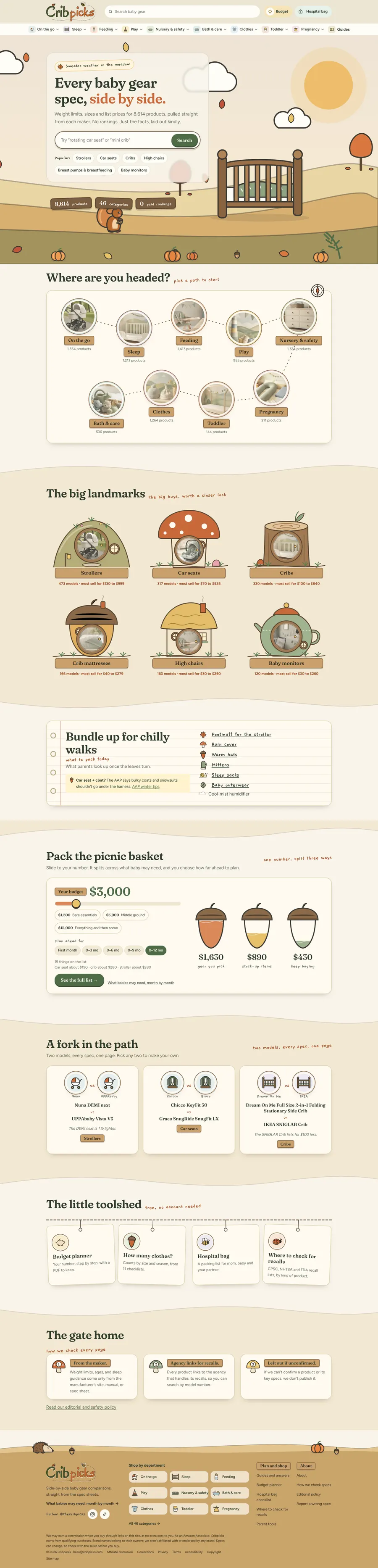
 CribpicksBaby Gear Comparison Site
 Normanside Country ClubGolf Course
 Leafy PeaksCannabis Dispensary
 Kurver KremeIce Cream Shop
 Upstate Wine & SpiritsLiquor Store
 Beer Bones TaproomBar & Restaurant
 Lily & Willow Co.Houseplant & Gardening Store
 Dr. Alexandra SullivanProfessional Portfolio
 Side Pies PizzaPizza Delivery Service
 The West Firm, PLLCLaw Firm



Reporting & Analytics
Competitor Analysis Reporting Services
I create competitor analysis reports for businesses in Albany, Delmar, Troy, Saratoga, and the Capital Region. I review keyword portfolios, backlinks, and content performance to reveal ranking gaps and growth opportunities. My reports help you outperform top competitors through data-backed SEO strategy.

Overview
What Is a Competitor Analysis Report?
A competitor analysis report uncovers how your top competitors attract traffic, convert leads, and maintain visibility across search and paid channels. By analyzing keywords, backlinks, content strategy, and ad performance, you gain clarity on where your brand stands—and what it takes to outrank others in your space.
This process transforms raw data into strategic insight. I identify performance gaps, emerging trends, and opportunities your competitors haven’t leveraged yet. Each report highlights actionable steps to improve your SEO, PPC, and content positioning, ensuring your marketing decisions are guided by measurable intelligence, not assumptions.
With a clear understanding of your market landscape, a competitive analysis empowers smarter strategy, stronger differentiation, and sustainable growth.
Ideal Clients for This Service:
- Best for brands seeking data-backed competitive SEO insights
- Perfect for agencies enhancing client strategy and market positioning
- Designed for startups identifying keyword and content opportunities
- Ideal for eCommerce businesses benchmarking paid campaign performance
- Recommended for enterprises maintaining industry leadership through data
Did you know?
72% Competition analysis is a top priority for event marketers in 2025.
65% Businesses use competitor benchmarking to shape marketing and events.
60% Competitive intelligence teams use AI daily (year-over-year increase).
Part of something bigger
The full program
Reporting & Analytics
Reporting and analysis transform complex marketing data into clear, actionable insights that drive smarter decisions.
See all Reporting & Analytics →- CRO AnalyticsReview competitor conversion paths to improve user flow and lead efficiency.→
- Keyword TrackingIdentify keyword shifts and ranking gaps through competitive tracking insights.→
- PPC ReportingEvaluate competitor ad spend, creative strategy, and click-through performance.→
- SEO ReportingCompare backlink authority, keyword visibility, and ranking trends by domain.→
- Social Media ReportingBenchmark engagement, reach, and posting frequency across competitor brands.→
- Website Performance ReportingAssess site speed, responsiveness, and UX metrics against leading competitors.→
How it works
- 01
Audit
I assess load speed, UX signals, and engagement metrics to identify bottlenecks.
- 02
Analyze
I compare historical data to uncover performance drops or user experience issues.
- 03
Enhance
I apply findings to improve responsiveness, retention, and site efficiency.
Is this for you?
Tick what sounds like you.
Book a free call →Questions, answered
How does keyword tracking improve SEO strategy?
Keyword tracking strengthens SEO strategy by revealing how your content performs across search results and where optimization gaps exist. I monitor keyword movement, volatility, and user intent trends to identify underperforming pages and untapped ranking opportunities. This transforms rankings into actionable insights—clarifying where updates to titles, headings, and internal linking will produce measurable growth. Growthopedia aligns keyword tracking with organic search optimization to ensure ranking data directly improves visibility and conversions.
What tools are used for keyword tracking and performance analysis?
I use Google Search Console, GA4, SEMrush, and Ahrefs to track keyword performance across desktop, mobile, and location-based variations. These tools provide insight into ranking trends, competitor benchmarks, and keyword intent segmentation. All keyword insights are unified inside performance dashboards, creating a clean, actionable view of search visibility and its impact on traffic and revenue.
Can keyword tracking identify algorithm update impacts?
Yes. Daily keyword tracking and topic grouping make algorithm impacts easy to spot. By analyzing visibility surges or drops across specific timeframes, I identify which site areas were affected. Combined with marketing audits, this process reveals whether ranking changes stem from technical issues, content quality gaps, or evolving search intent—guiding precise recovery and enhancement.
How often should keyword reports be reviewed?
Weekly monitoring captures short-term ranking shifts, while monthly reviews support long-term strategic evaluation. I adjust review cadence during major Google updates or active campaign pushes to ensure insights remain timely and actionable. Over time, consistent reports build a performance timeline that demonstrates ROI and validates ongoing SEO investment.
What metrics are most important in keyword performance reports?
Key metrics include visibility score, CTR, average position, and share of voice. I also track keyword intent segmentation—transactional, informational, and branded—to evaluate traffic quality and relevance. Conversion metrics like goal completions and revenue per keyword connect visibility to real business outcomes. Growthopedia ensures keyword reporting focuses on ROI-driven insights, not vanity metrics—supporting sustainable organic growth.



Start a project
Let’s make you findable.
- Free strategy call, no pressure
- Honest, data-backed recommendations
- Reply within one business day